Scientific Significance of the Sacred Tulsi (Holy Basil)
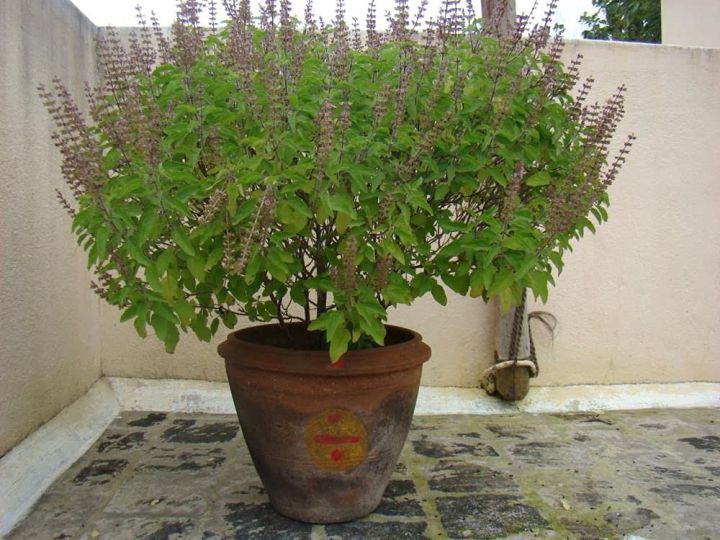
Hindus worship Tulsi (Holy Basil) as a form of Lord Vishnu. They plant it on Ashadh Shukla Ekadashi (Harishayani Ekadashi) and celebrate its symbolic marriage on Kartik Shukla Ekadashi (Haribodhini Ekadashi).
Christians also connect Tulsi with the Feast of the Exaltation of the Holy Cross, considering it a symbol of purity and holiness.
People believe Tulsi purifies the body, mind, and soul. People believe that offering Tulsi leaves to Lord Vishnu cleanses one’s karma.
Devotees value Tulsi more than gold or precious gems.
They also believe that Tulsi protects them from negative energy and evil forces.
Ancient scriptures such as Skanda Purana, Padma Purana and Garuda Purana mention that the land where Tulsi grows becomes sacred.
A Tulsi plant grows about one to two feet tall. Its leaves are either green or purple, and the stems are slightly hairy. There are two main types: Rama Tulsi (green) and Krishna Tulsi (purple).
In Ayurveda, Tulsi is called the Queen of Herbs. It cleanses the air by absorbing harmful gases and releasing oxygen. In English, it is known as Holy Basil, meaning “incomparable.” Tulsi works as an antimicrobial, fever-reducing, and immunity-boosting herb.
Tulsi contains a variety of useful compounds such as anthocyanin, flavone, coumarin, flavonoids, phenolic acids, tannin, eugenol, caryophyllene and linalool. Its essential oil includes camphor, eucalyptol, bisabolene, and germacrene, which give it its unique aroma and medicinal power.
Because of these elements. Tulsi helps fight cancer, inflammation, oxidation, stress, and diabetes.
Holy Basil
The compound coumarin in Tulsi acts as a natural anticancer agent. It helps in treating prostate, kidney, and blood cancers and reduces the side effects of radiation therapy. Coumarin relieves inflammation. It is useful in diseases such as arthritis, asthma, and intestinal disorders.
Anthocyanin, which gives Tulsi its purple color, is a pigment that provides red, blue, or violet hues to plants. It is water-soluble and belongs to the phenolic group.
Flavonoids in Tulsi prevent oxidation in the body, protect genes from mutation, and stop the growth of cancer cells. They help regulate enzymes and proteins, lower blood pressure, and reduce bad cholesterol (LDL), improving heart health. They also support brain health and can lower the risk of Parkinson’s and Alzheimer’s diseases.
- Flavonoids improve beta-cell activity, helping the pancreas produce insulin.
- They regulate glucose metabolism in the liver, preventing high blood sugar.
- By reducing free radicals, flavonoids protect DNA and body cells.
In addition, they exhibit antiviral and anti-inflammatory actions that protect brain cells.
In Thai cuisine, people use Tulsi leaves widely and call them Kaphrao. They mix them into seafood dishes, rice, and various meals. Both red and white varieties are common.
In Indonesia and the Minangkabau region. Tulsi is called Rukoruku. People there add it to fish, meat, and other local dishes for flavor. Farmers also use Tulsi to repel insects and pests and to protect stored grains.
From the Vedic era to the present, Tulsi has served humans in countless ways — as medicine, food, and spiritual symbol — making it a truly multi-purpose and sacred plant.
The value of traditional knowledge becomes clear through modern research. Many universities are now studying medicinal plants like Tulsi, and their success often proves what ancient wisdom already knew.
Chinese scientist Tu Youyou explored the plant Artemisia annua (sweet wormwood), a herb that people had long used in traditional Chinese medicine. She discovered artemisinin, a compound that revolutionized malaria treatment worldwide and earned her the Nobel Prize.
News Summary
Hindus worship Tulsi as Lord Vishnu and celebrate its symbolic wedding on Kartik Shukla Ekadashi. The compound coumarin in Tulsi fights cancer, inflammation & diseases such as arthritis and asthma.
Tulsi absorbs toxic gases, releases oxygen and is honored in Ayurveda as the “Queen of Herbs.”
Benefits
- 🌿 Strengthens the Immune System: The antioxidants and antibacterial elements in Tulsi boost the body’s immunity.
- 🌿 Beneficial for Respiratory Diseases: Tulsi is considered effective for treating coughs, asthma, bronchitis, and common colds.
- 🌿 Antibacterial and Antiviral Properties: Tulsi helps fight against harmful bacteria and viruses.
- 🌿 Reduces Stress and Anxiety: Known as a natural adaptogen, Tulsi helps reduce mental stress.
- 🌿 Helps Control Blood Sugar: It assists in maintaining balanced blood sugar levels for individuals with diabetes.
- 🌿 Improves Digestive Health: It is useful for gas, indigestion, and other stomach-related issues.
- 🌿 Beneficial for Heart Health: It helps lower cholesterol and keep blood pressure in check.
- 🌿 Reduces Inflammation and Pain: Its anti-inflammatory properties help decrease body swelling and pain.
- 🌿 Improves Skin Health: It is helpful in reducing acne, blemishes, and skin infections.
- 🌿 Helps Purify the Environment: The Tulsi plant helps reduce harmful microbes in the air, purifying the surroundings.
Related:
Let’s Travel: Upper Taplejung (With Photos)
Share this content:













Post Comment