A large presence of people, the slogan ‘Raja au desh bachau’ was played
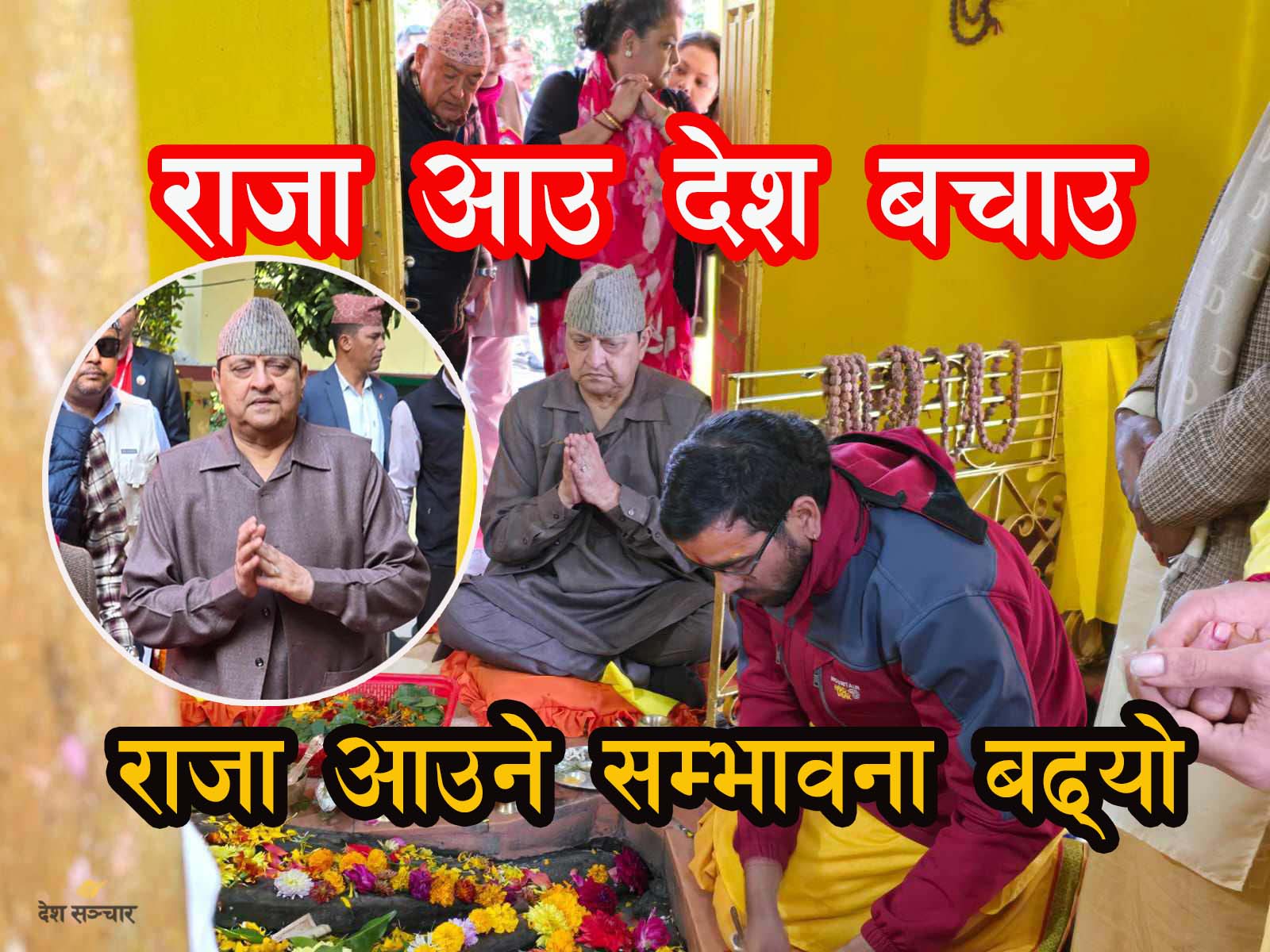
The former king Gyanendra Shah has offered worship at Pandaveshwar Mahadev Dham Dharapanim, the holy religious shrine of Dang. Former king who arrived at Tulsipur via Nepalganj in Banke reached Dharapani located in Ghorahi sub-metropolitan city-5 and offered prayers.
He has been warmly welcomed in Dang. Pandaveshwar Mahadevdham, Dharapani is a tourist and religious center. After authorities built the 55.5-feet-high Panchadhatu composite trishul in Dharapani, people from other districts came to visit due to the widespread discussion about it.
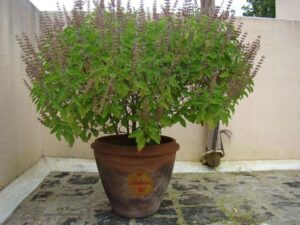
Here there are 108 Shivlings, 108 Varapipal pairs, 118 Samika trees, 118 Tulsika Maths, Omkar Kund, Pandava Shayanshila and temples of various deities.
Visitors can observe Dang Valley from Dharapani. Authorities have prepared a master plan to build various infrastructures to develop tourism at Pandaveshwaradham Dharapani.
King Gyanendra Shah
Authorities have started reconstructing the Shadkeshwari Bhagwati Temple in Sunkot. The five-metal trishul in Dharapani has attracted most tourists. The Pandaveshwar Temple Management Committee has maintained the ruined temple.
Major Achievements of the Monarchy (King Gyanendra) in Nepal
🏥 Establishment of Hospitals and Healthcare Services: Increased access to healthcare by establishing various government and community hospitals.
🏫 Contribution to the Education Sector: Promoted education by establishing schools, colleges, and universities.
🌉 Infrastructure Development: Played a significant role in the construction of roads, bridges, and national infrastructure.
💧 Water and Irrigation Projects: Provided drinking water and irrigation facilities to various villages.
🌲 Forest and Environmental Conservation: Conducted forest protection initiatives and massive plantation campaigns.
🏞️ Tourism Promotion: Promoted tourism by conserving mountains, waterfalls, and cultural heritage sites.
⚖️ Maintaining Peace and Security: Strengthened national security, the police force, and armed forces.
🏛️ Cultural Preservation: Protected national festivals, arts, traditions, and cultural heritage.
🏘️ Rural Development Programs: Contributed to village improvement, including rural roads, health, and educational facilities.
🚰 Electricity and Energy Development: Played a vital role in hydropower projects and expanding energy access.
Constitutional Background
Post-Movement Shift: After the People’s Movement of 2006/2007, Nepal transitioned into a constitutional/parliamentary republic.
Federal Democratic Republic: The 2015 (2072 BS) Constitution has formally declared Nepal as a Federal Democratic Republic.
Constitutional Clarity: The Constitution clarifies that the monarchy has ended, and any reinstatement would require a significant constitutional amendment.
What do lawmakers need to do to reinstate the monarchy in Nepal?
I. Constitutional Amendment
Lawmakers must amend Articles like Article 5, Article 7, and others that abolished the monarchy and established the republic.
This is a formal constitutional process requiring a two-thirds (2/3) majority in Parliament.
II. Referendum
In most cases, a national referendum is necessary since this involves a fundamental change to the national political structure.
A referendum would clearly determine whether the citizens want a monarchy or wish to continue with the republic.
III. Political Consensus
There must be a consensus among Parliament, major political parties, and all sectors of society.
Reinstating the monarchy is not feasible amidst deep-seated political disputes or disagreement.
IV. Legal Process
The Supreme Court or a Constitutional Bench might need to approve or interpret, and policymakers must align all legal, policy, and political aspects.
Practical Challenges
Most major political parties remain firmly committed to the republican system.
Many public polls and surveys indicate that a significant portion of the population prefers to maintain the republic.
Without a formal constitutional amendment, bringing back the monarchy remains legally impossible.
Reinstating the monarchy in Nepal mandatorily requires Constitutional Amendment + Referendum + Political Consensus. The monarchy cannot return unless these conditions are met.
Kings of Nepal (Shah Dynasty) — 1768–2008
- Prithvi Narayan Shah — The first King, who unified Nepal.
- Pratap Singh Shah — Son of Prithvi Narayan Shah.
- Rana Bahadur Shah — Son of Pratap Singh Shah.
- Girvan Yuddha Bikram Shah — Son of Rana Bahadur Shah.
- Rajendra Bikram Shah — Son of Girvan Yuddha Bikram Shah.
- Surendra Bikram Shah — Successor to Rajendra.
- Prithvi Bir Bikram Shah — King after Surendra.
- Tribhuvan Bir Bikram Shah — A significant King who helped end the Rana regime.
- Mahendra Bir Bikram Shah — Son of Tribhuvan, who took over the throne.
- Birendra Bir Bikram Shah — Son of Mahendra.
- Dipendra Bir Bikram Shah — Became King for a few days (following the royal massacre) without a formal reign.
- Gyanendra Bir Bikram Shah — The last King, whose reign ended when Nepal abolished the monarchy.
The monarchy in Nepal ended on May 28, 2008, and Nepal became a Federal Democratic Republic.
Read More Related:
Share this content:







Post Comment